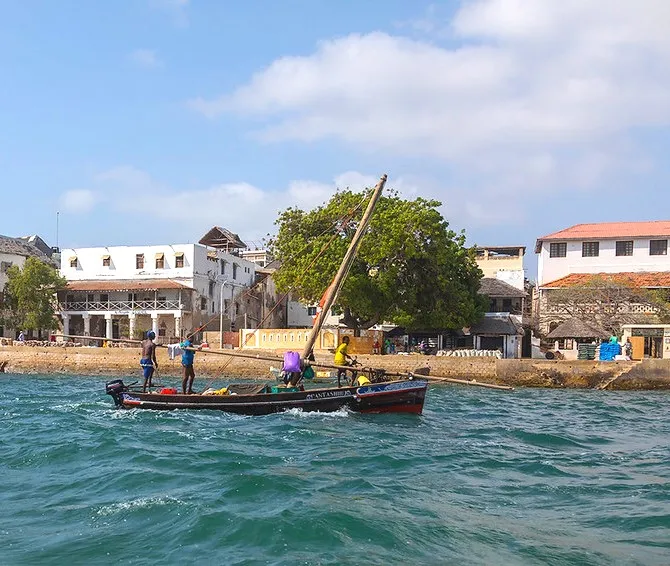
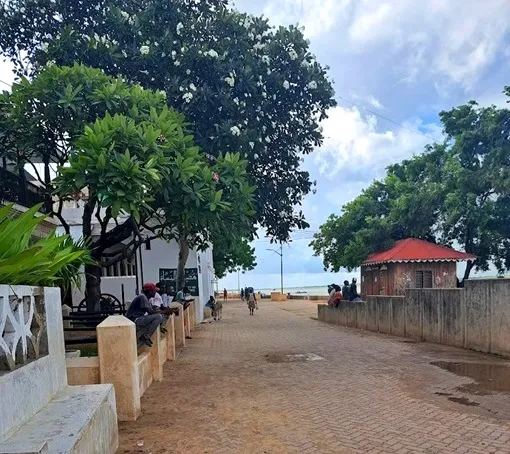
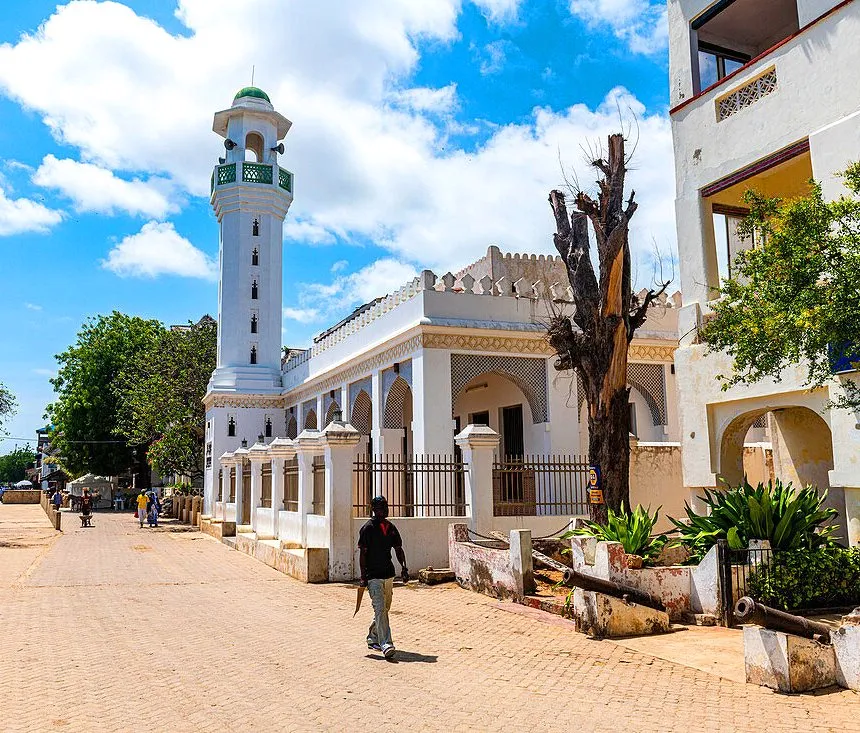
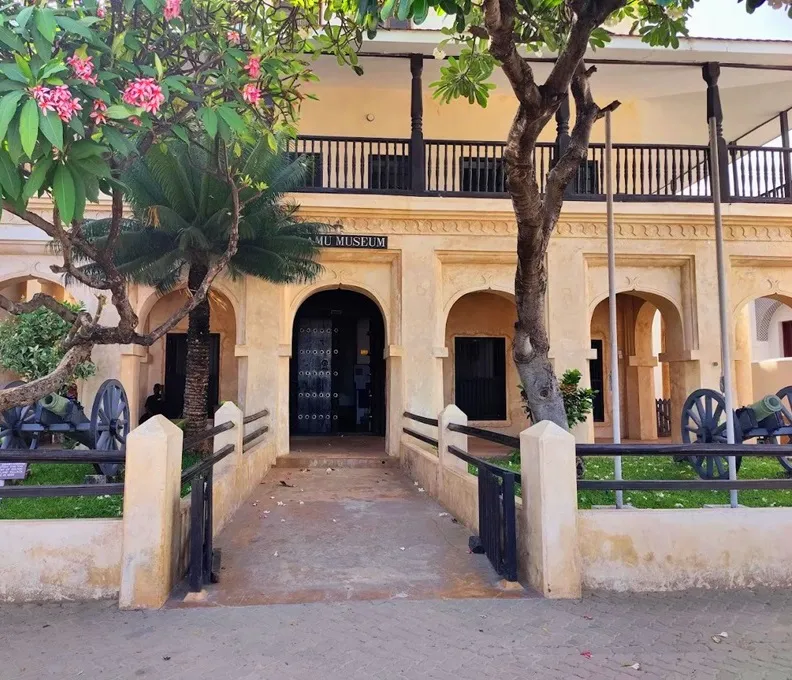
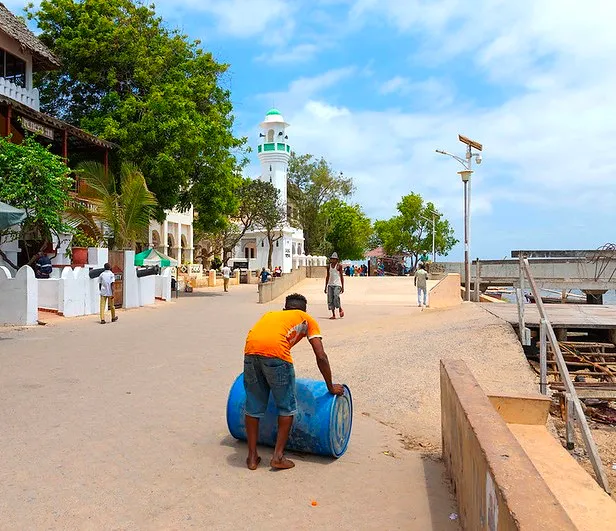
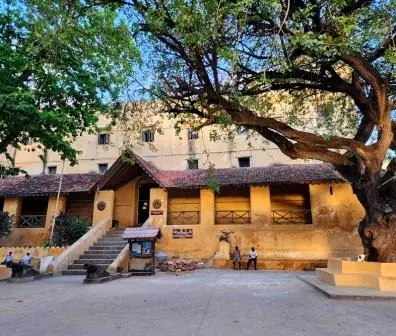
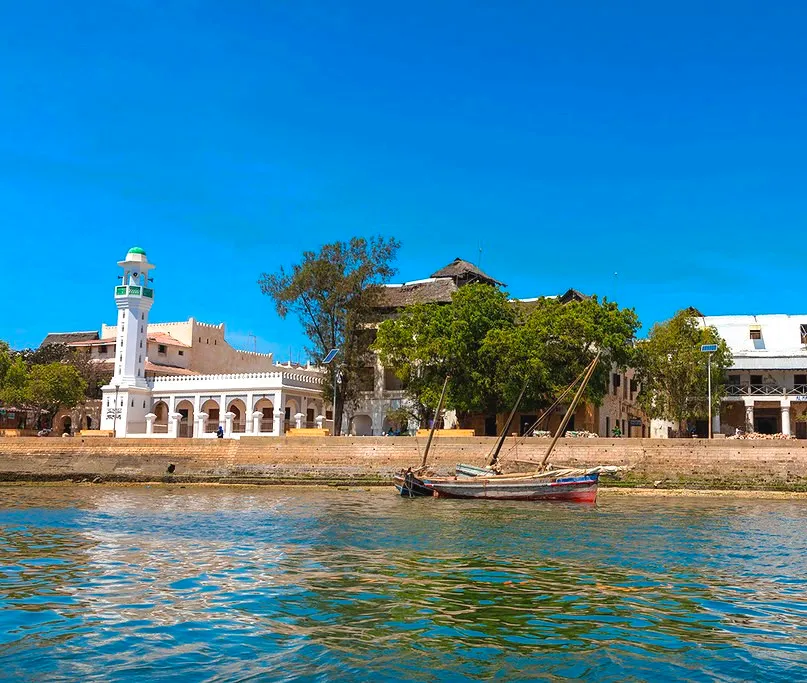
Lamu Word Heritage Site is made up of a series of buildings on 15 hectares in Lamu, with Lamu Museum, Lamu Fort, German Post Museum and Swahili House being the principal attractions. With buildings on the seafront with their arcades and open verandas providing a unified visual impression of the townscape when approaching it from the sea, Lamu has maintained its social, cultural integrity and retained its authentic fabric up to the present day. Once the most important trade centre in East Africa, Lamu has exercised a salient influence in the entire region in religious, cultural as well as in technological expertise. One of the criteria for its elevation to a UNESCO World Heritage Site, in 2001, was: “the architecture and urban structure of Lamu graphically demonstrate the cultural influences that have come together there over several hundred years from Europe, Arabia, and India, utilizing traditional Swahili techniques to produce its unique, prominent culture”.
Kenya is home to eight UNESCO World Heritage Sites that reflect her rich cultural heritage and diverse natural landscapes; classified as 3 natural sites and 5 cultural sites, collectively embodying valuable heritage and fantastic scenery. These sites are among the priceless assets, not only for Kenya, but of humanity as a whole.