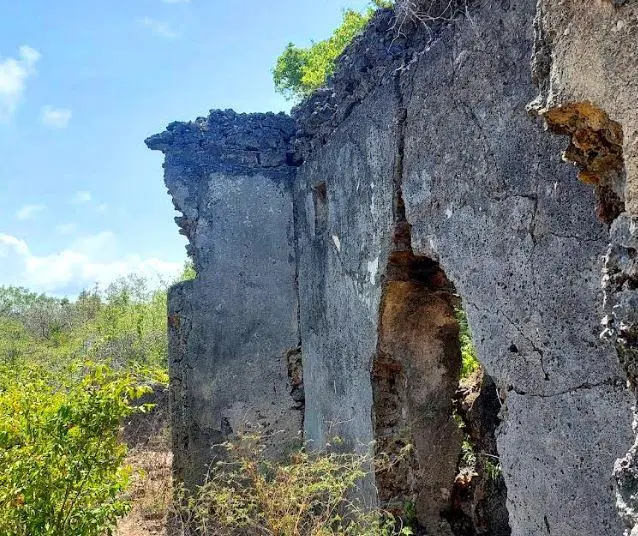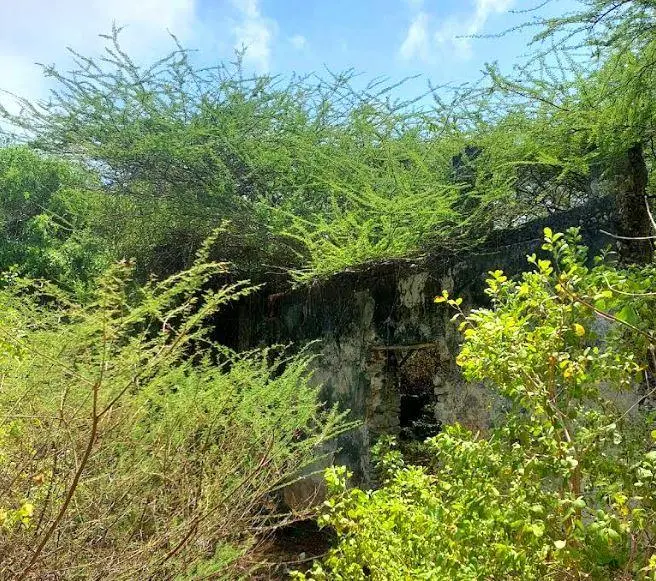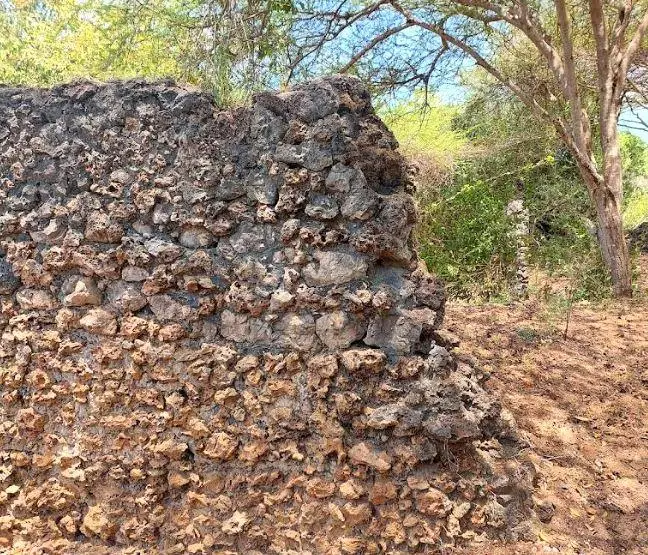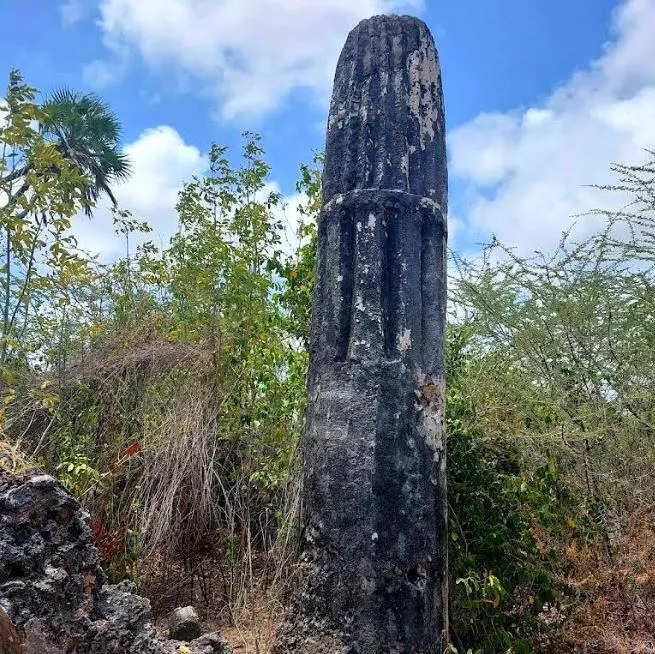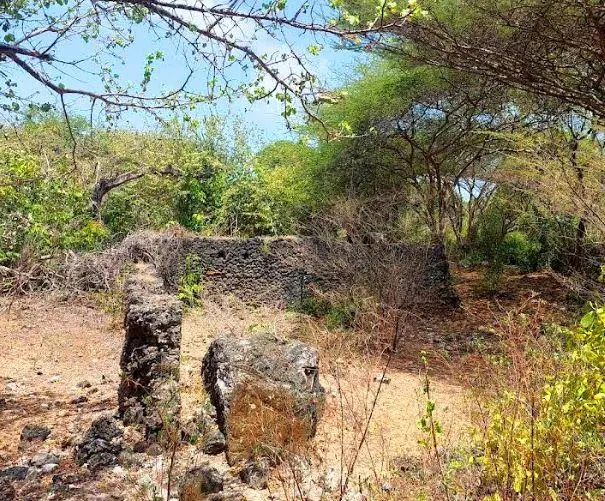
Noteworthy among the relics of virtu at Pate are the 8th Century Shanga Ruins named after the Washanga, a clan who still live in the nearby Swahili town of Siyu. Located at the southeast area of Pate Island, south of Siyu, Shanga contains coral walls, two palaces, three mosques and a cemetery outside the wall with hundreds of tombs. In all, the Shanga Ruins site is thought to contain the ruins or foundations of about 130 houses and 300 tombs, well hidden by the overgrown shrubbery. It was excavated over eight years from 1980. The earliest settlement was dated to the 8th century, and the conclusion was drawn from the evidence.
Locally minted coins and burial sites excavated at the site indicate that a number of its local inhabitants were Muslim, probably from the late 8th Century onwards, and at least from the early 9th Century. The digs also revealed a key break in the progress of Shanga in the mid-11th Century with the damage and rebuilding of the Friday Mosque. Due to the abstraction of its ground water, sea water seeped in and the site was no longer livable. A rarely roved site, Shanga Ruins is part of the oldest recorded history along the coast. Shanga was a thriving trading post 400 years before Mombasa was founded, and about 100 years prior to Lamu’s rise.